Painting A Boeing 747 Is A Jumbo Job

Painting A Boeing 747

When you see a large get it’s not terribly hard to appreciate it’s size. It’s not that hard to appreciate the amount of power needed to get it airborne. If you need a reminder, stand behind one that’s taking off.

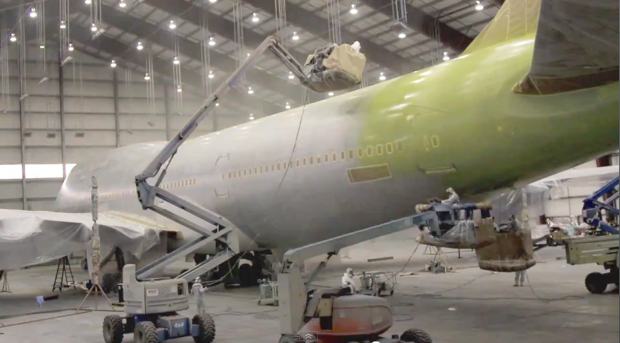
It’s pretty easy however to overlook the amount of time/effort that goes into the giant task of painting an airplane. This several minute time lapse is pretty eye opening. It takes a long time and many people to paint even the most “simple” livery onto a plane. And that particular aircraft has had at least 3 distinct paint jobs, perhaps more since it’s over 20 years old.

Confession: I’m A Touchscreen Snob

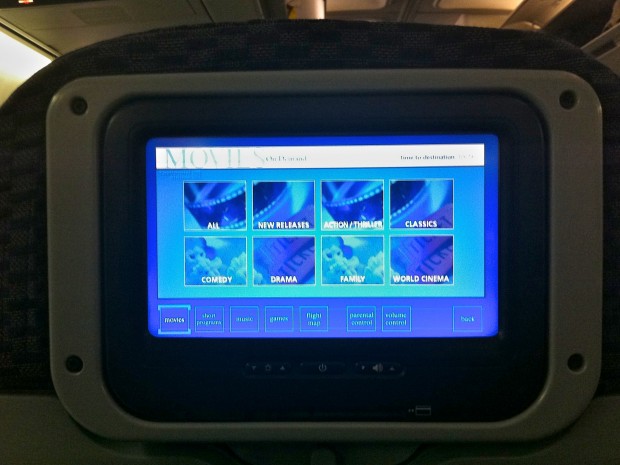
Continental Touchscreen

I’m a touchscreen snob, and I bet you are too. I bet every human being is. We get upset when things don’t react as expected and we get frustrated when things aren’t instant. Statistically this page loads on average under 2 seconds and it’s likely still too long for you. It’s not just touch screens. For example, 100 ms increase in load time of Amazon.com decreased sales by 1%. We’re an impatient species.

I took the above photo on a 757-200 equipped with touch screens on the back of every seat. I remember the days with only a handful of TV’s, or that big projector thing up front on planes, so I appreciate that a choice of entertainment is an upgrade. Lets take a look at it’s sins as it makes a great example:

Resistive Touchscreen

I’m virtually certain based on it’s poor performance it’s a resistive touchscreen. Unresponsive, and it requires a lot of pressure which the person in the seat in front of you enjoys for 8 hours. Resistive touchscreens are much more cost effective, though I wonder that difference is splitting hairs on a $65-80 million aircraft given there are only ~200 seats and the displays are relatively small.

There was a time when nobody would notice, but even a Droid v1′s touch screen is more responsive, and that phone is extensively laggy.

Poor Contrast

Part of this is likely because of the substrate used for resistive touchscreens, but the poor contrast is obviously an issue. Color reproduction is bad, but that’s not a deal killer, it’s a nitpick. Contrast is critical especially on a vehicle where lighting varies from dark to virtually unfiltered sunlight glaring on the display. Contrast controls are minimally helpful here.

Laggy

I suspect these are units are just terminals, so the performance can sometimes lag. It’s forgivable and likely will not be an issue in future generations. Thanks to the mobile revolution low powered ARM chips can be found everywhere. The need for these things to be dumb to save space and power is drawing to a close.

Sound

I’ve yet to figure out why airlines can’t manage to get rid of the noise in the lines. Sure when you use the $0.25 headsets they hand out you can’t tell the difference. But when you use your own higher quality headset you sure can. Given a cheap mp3 player can manage it, I wonder why this is so difficult. Weight?

My second gripe about sound is the volume differences. The movie is set to a comfortable level. If the crew takes over to show a video of your destination or a safety video, it’s uncomfortably loud. If the captain speaks, it’s painful. This is more than a nuisance, this is actually a safety issue.


The Recirculated Air Myth

Airplanes don’t recirculate air any more than most environments you spend time in. Despite this, people frequently claim various versions of this urban legend. Some say the air when they close the door stays in the cabin until they open it on landing. Others say it’s actually coming from air canisters stored on the aircraft. It is not true.

The air is really a 50/50 blend of recirculated air and new air bled through the engine air compressors (before combustion). The NY Times has a nice little writeup on cabin air:

Cabin air, he said, is refreshed about 15 times an hour, compared with less than 12 an hour in an office building. On most full-size jets, the air is also circulated through hospital-grade HEPA filters, which are supposed to remove 99.97 percent of bacteria and the minuscule particles that carry viruses. The cabin air is also divided into separate ventilation systems covering every seven rows or so, limiting the ability of germs to travel from one end of the plane to the other.

The reason most people feel the air quality is so low is because the humidity is about 10% to prevent corrosion of the aircraft, which is almost always metal. Newer aircraft are now being made using composites allowing for more natural humidity. The other factor is pressurizing to approx. 8,000 ft, which is higher than you’re used to.

Those HEPA filters employed are also more than adequate to filter air leaving it cleaner than most homes [pdf].

Presumably the confusion is aided by the emergency oxygen system on board modern airliners.

So next time someone claims that the air is literally unchanged through a 9 hour flight, you should call their bluff and ask for documentation. This has been a pet peeve of mine.

Google Fighter Jet

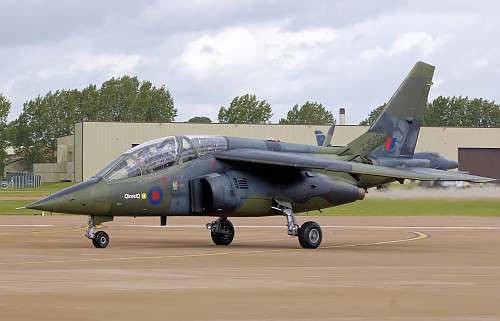
Dornier Alpha Jet

The movie Terminator is becoming more of a premonition as time goes on as I’ve suggested before. Google has taken another step closer to becoming Skynet. The company controlled by top Googlers just got it’s first Fighter Jet, a Dornier Alpha Jet.

Before you know it, this April Fools joke article by InfoWorld about Google acquiring the U.S. government will become true.

[Photo: Adrian Pingstone via Wikipedia]