Wind caused a few boats to get stuck in the sand.

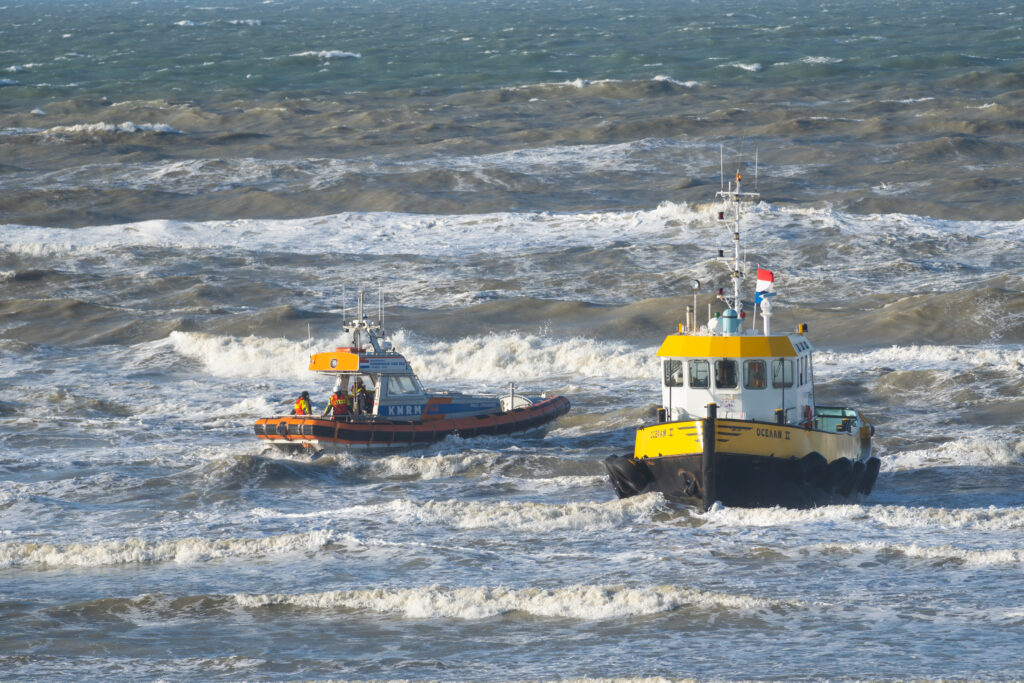


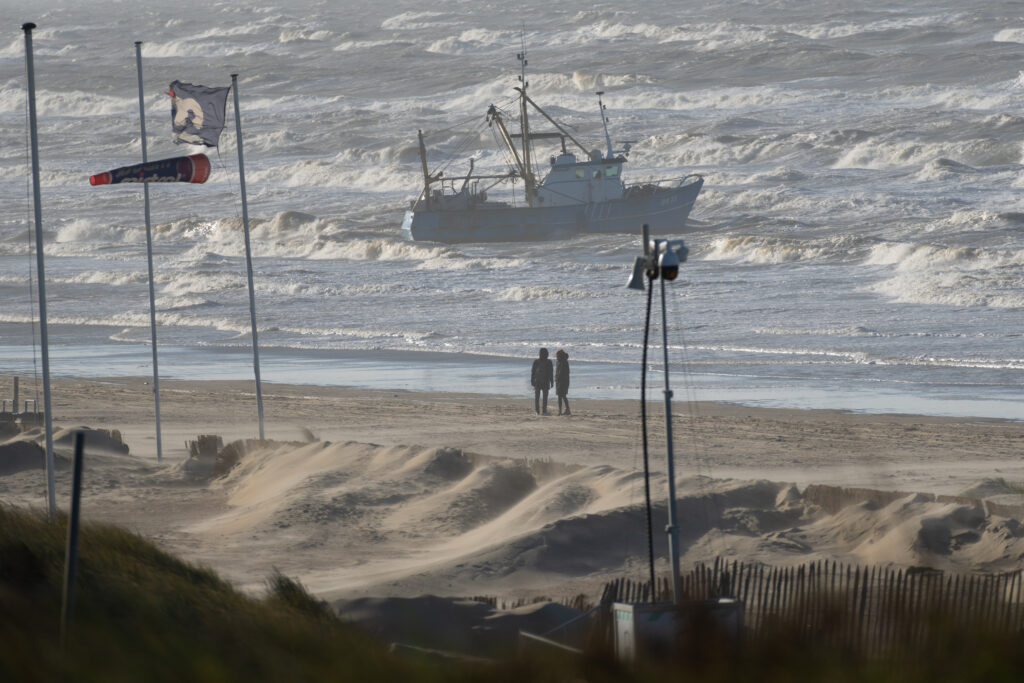
Wind caused a few boats to get stuck in the sand.






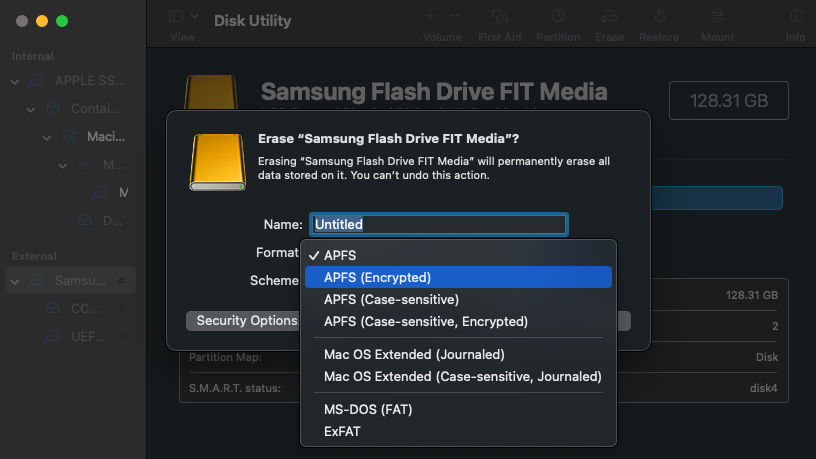
Not sure who needs to see this, but MacOS supports encrypted APFS when formatting a USB drive. It’s a fantastic way to fully encrypt a USB drive. You’ll be prompted when you insert it for a password. Full disk encryption with little effort.
Of course if you do this it’s for MacOS/iPad OS/iOS only as APFS support is limited out side of the Apple ecosystem.
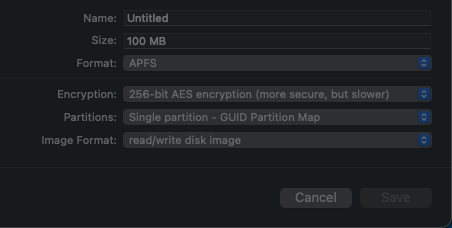
If you want to get even more convoluted, you can create an unencrypted disk, and create an encrypted Disk Image to put on the unencrypted disk. That gives you some unencrypted space (and FAT/ExFAT compatibility if needed) and some encrypted space.



























APC as usual is pretty sparse on documentation for these sorts of things, so figured I’d point out it’s actually pretty simple.
The first thing you’ll need to do is download the correct firmware. You’ll want the windows download. I’m serious. It should looks something like APC_SUMX_696_EN.zip.
Unzip it and you’ll be left with a Windows executable (.exe) file. Open that with The Unarchiver which will leave you with a few files/directories:
NMCFirmwareUpdateUtility.exe
edtFTPnetPRO.dll
Bins
Ignore the first two. Inside Bins is are the 3 .bin files you really care about:
apc_hw05_sumx_696.bin
apc_hw05_bootmon_109.bin
apc_hw05_aos_696.bin
Now use your favorite FTP client and FTP into your UPS using the same user/password you use on the web UI. Upload bootmon first to the root directory. Wait for the system to restart (monitor ping or the web UI). Then upload aos and again wait for the system to restart. Once again with sumx (the application layer) and wait for the system to restart. Don’t change any filenames, don’t put them in directories.
If you don’t upload in this order it may crash on boot. Simply log back in via FTP and do it in this order to recover. Worst case if you may need to telnet in and hard reset things to defaults.
Uploads are slow since it’s FTP, so be patient. Reboots take 30 seconds or so.
Done. No Windows needed.
I’m pretty sure I’ve had to research and stumble through this process several times now, so I might as well document it as most directions suggest either an OOB license or link to stuff that no longer exists.
You’ll need a computer, server that needs a BIOS update (obviously) and a USB thumb drive of an adequate size (16-32GB). In theory these directions could easily be adapted for Linux/Windows, but I did this in Mac OS X 10.15.
The first thing to do is download FreeDOS 1.2 “Full USB” and expand the zip file. The file you care about is FD12FULL.img.
Use Balenda Etcher to flash the drive with the image from Step 1. Once it’s complete Etcher will automatically unmount the drive. Unplug and replug the drive to remount it, we’re not done yet.
Not much to explain here. Find the image for your system, download and unzip it.
Copy all the files from the BIOS Updater package to the root directory of the USB drive.
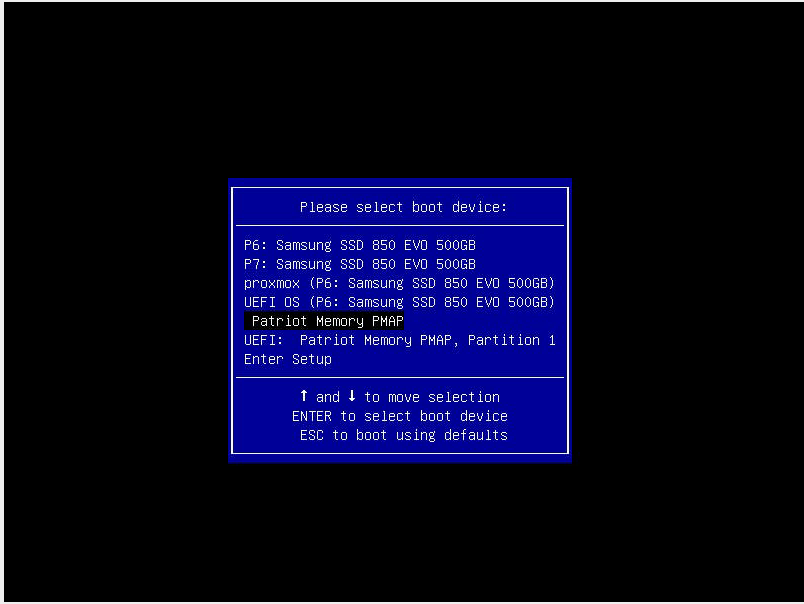
Insert the USB drive and boot the server. Press F11 to invoke boot menu and select the USB drive.
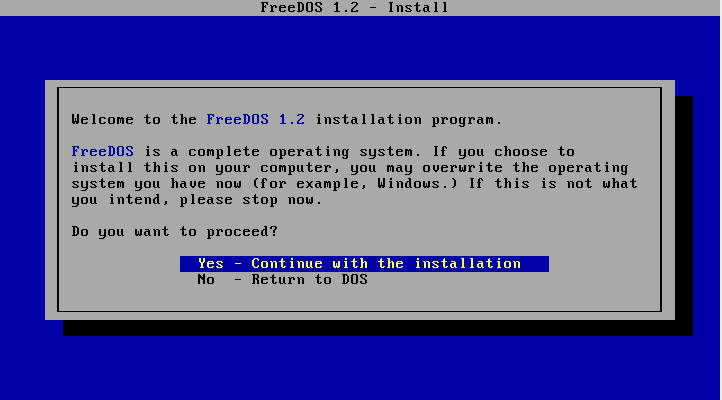
FreeDOS wants to install itself. Select your language, then select “No – Return to DOS” and return to DOS prompt.
Should be in the README for the BIOS update, but will look something like:
FLASH.BAT BIOSname.###
Once it starts, don’t interrupt it.
Once complete, power down, remove the drive and restart. All done.
I think this is a pretty amusing tidbit. A few weeks ago I noticed a MySQL database taking a little more CPU than expected. Nothing dramatic. This is a small VM on a host running several and as the graph shows it doesn’t even break 25% capacity.
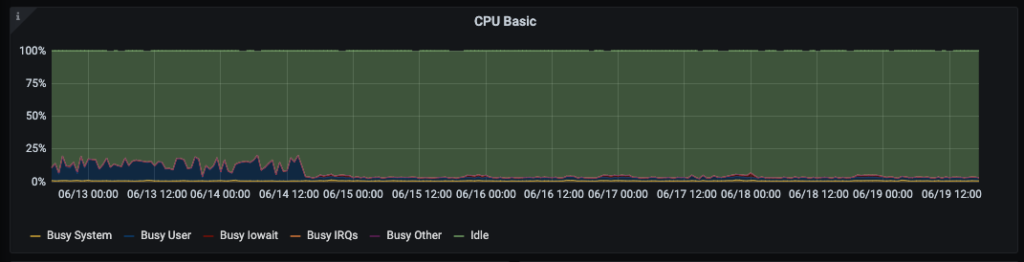
After about an hour I was able to reduce the CPU consumption considerably by updating, making sure indexes were optimal etc. etc. Nothing incredibly dramatic. Hardly a herculean task.
Now a week later I can clearly see the power consumption dropped a little bit on this particular host as a result of my optimization work.
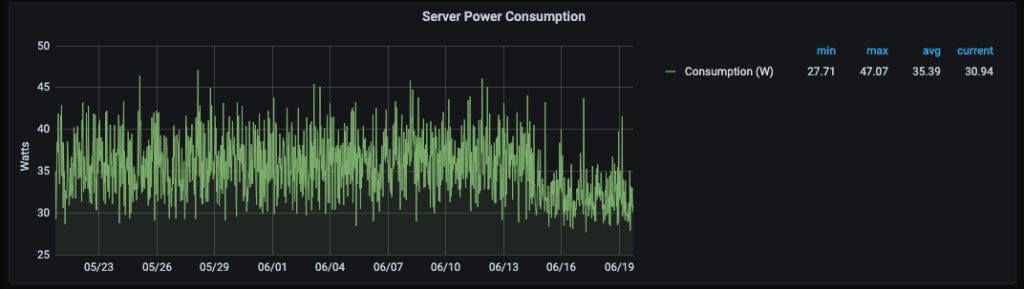
Just goes to show, even if you run stuff in house and have extra computational power handy, it can add up.
1W of electricity @ $0.17 running 24 x 7 x 365 = $1.50/year. Literally a measurable improvement.

Some DC-3’s did a flyover of the Hudson River this morning on their way to Europe for the 75th anniversary of D-Day.

I bet you never realized how amazingly well Domino’s setup their locations in NYC for the perfect amount of spacing between them for quick delivery.