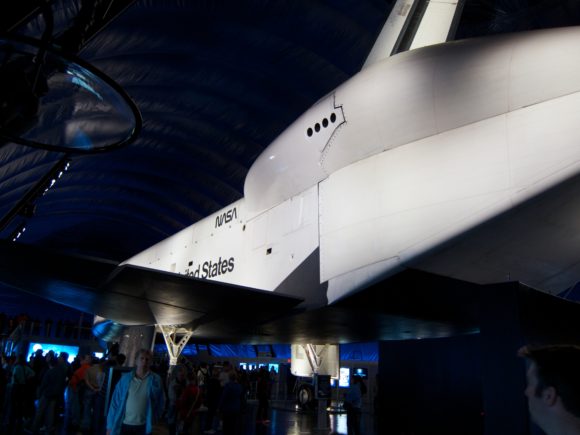
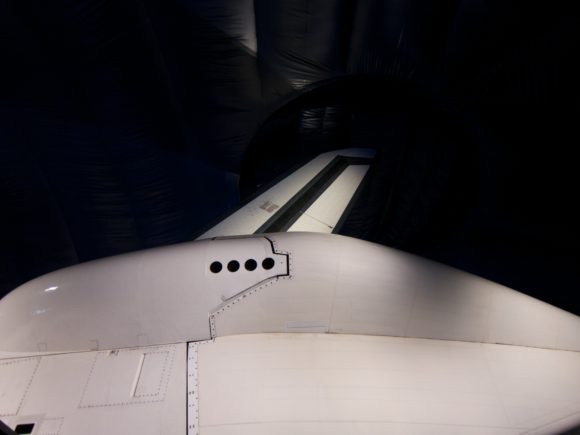
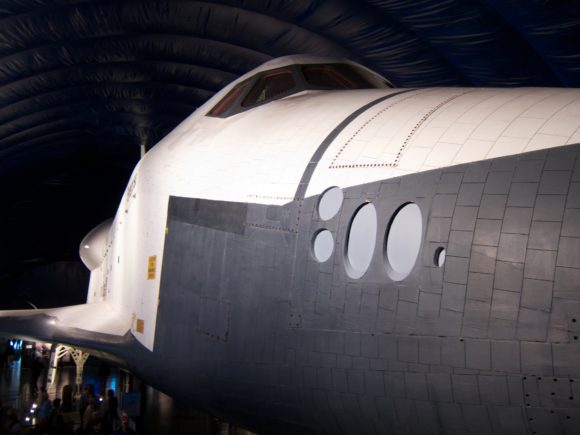
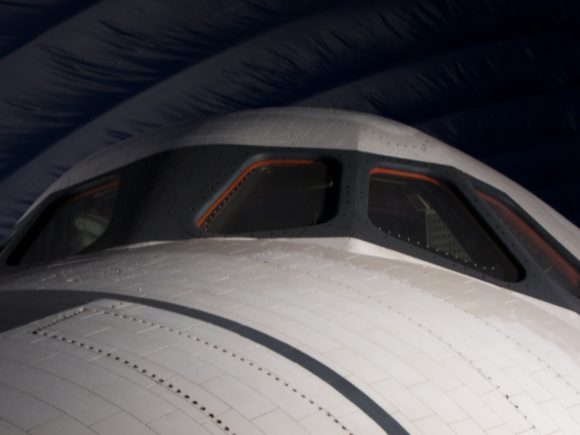
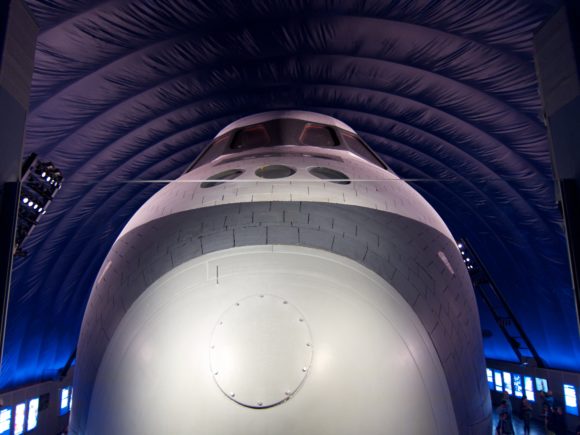
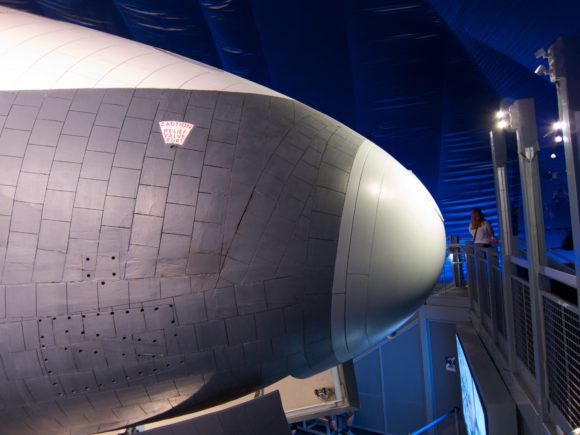
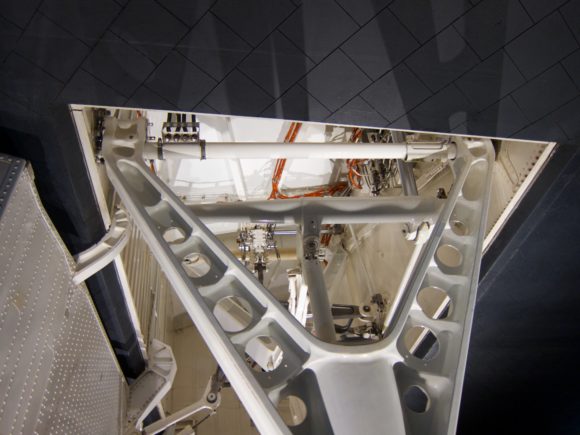
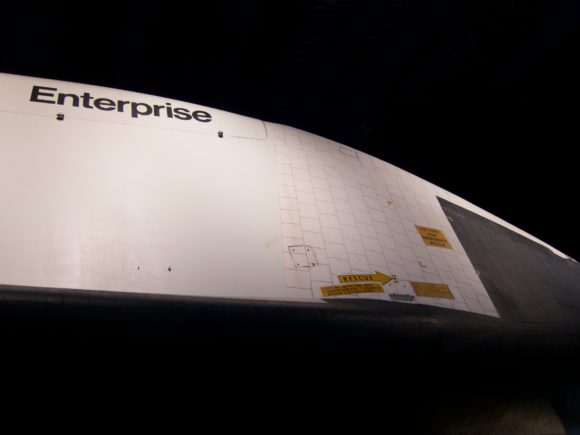
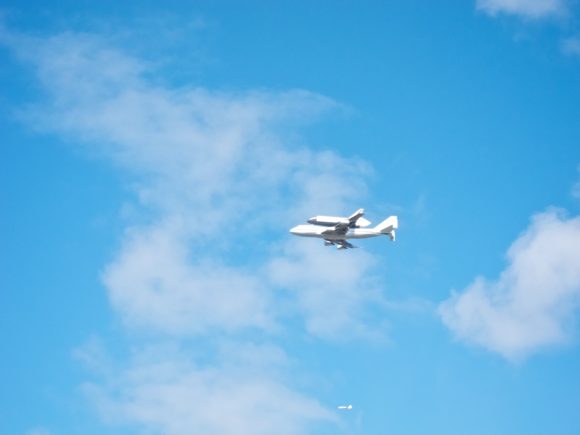
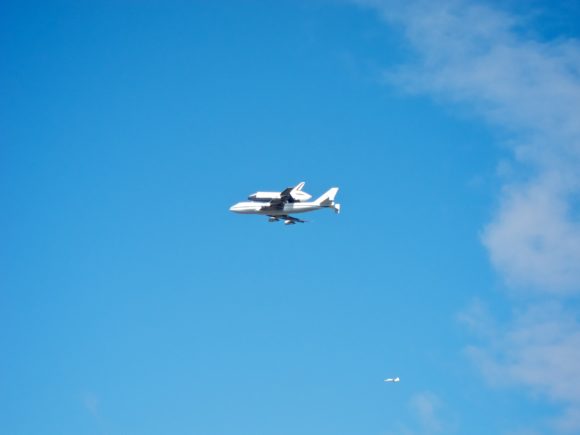
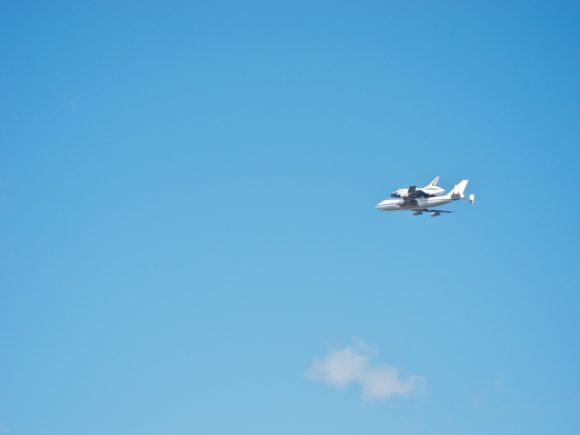
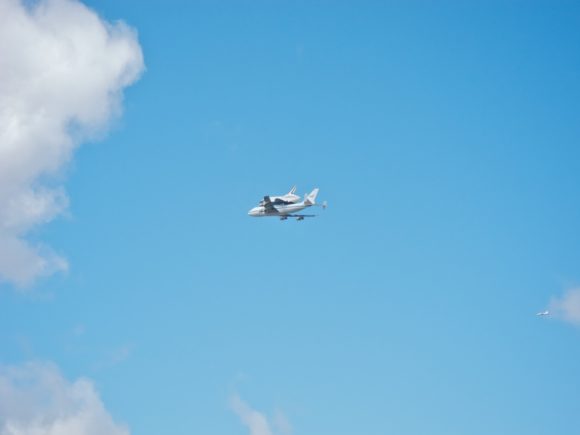
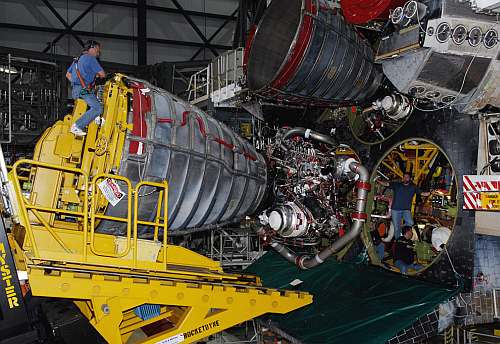
So Long Shuttle

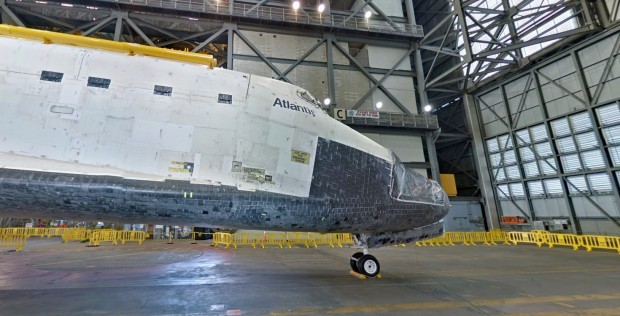
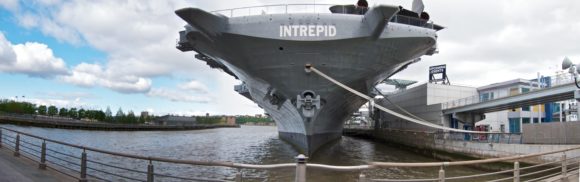
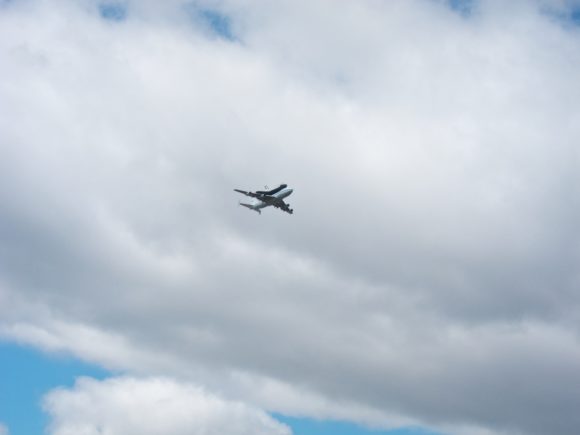
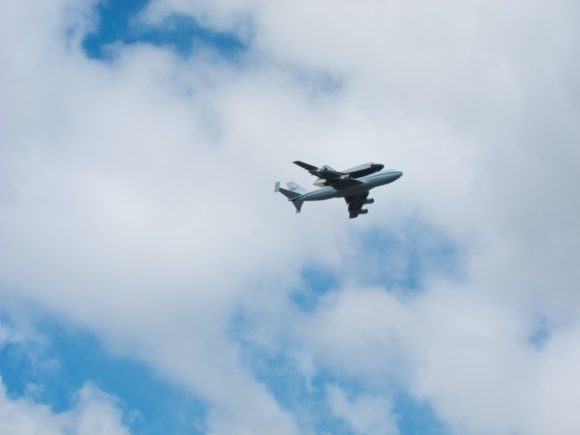
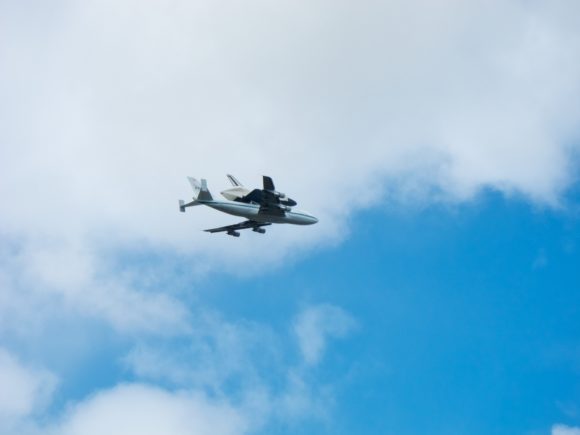
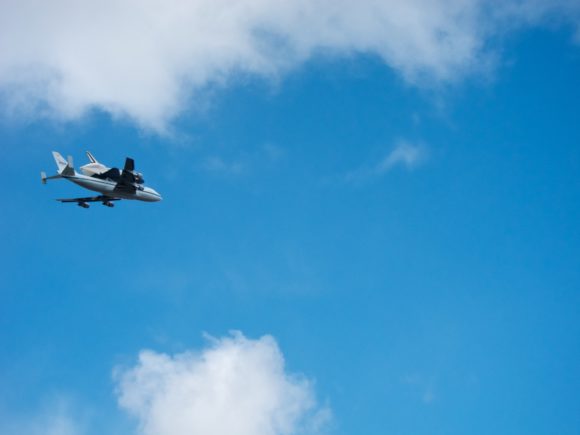
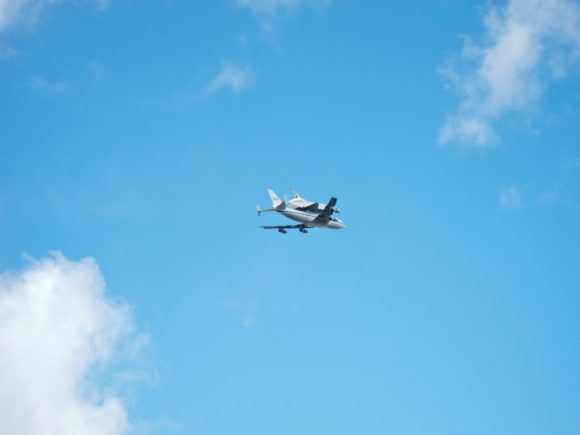
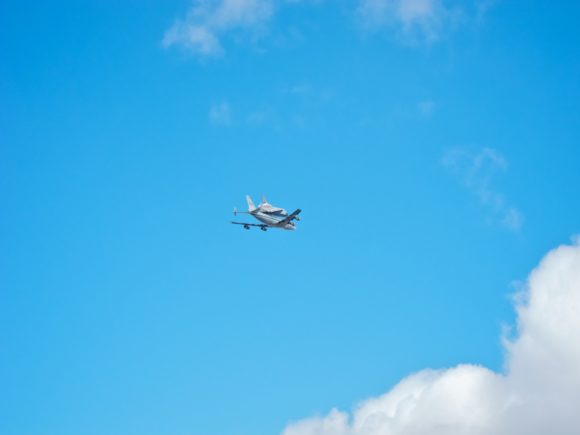
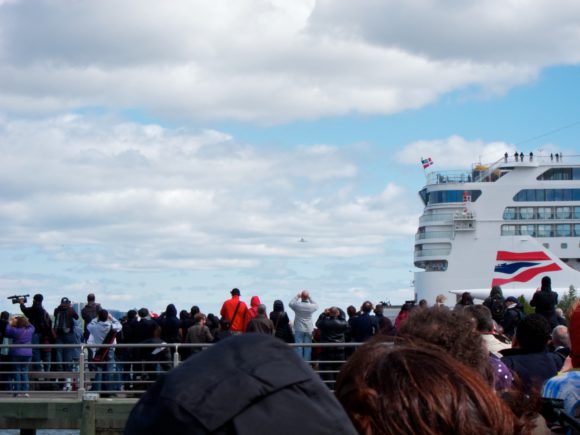
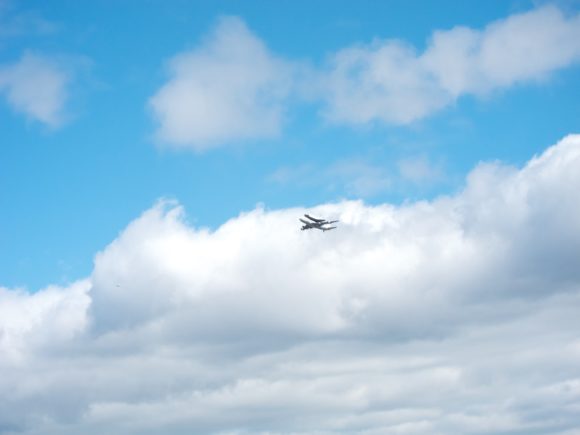
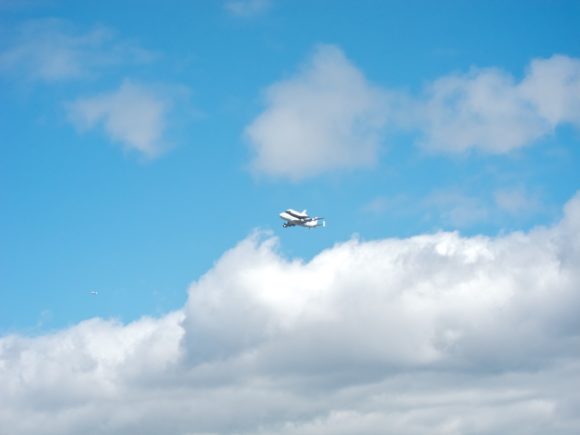
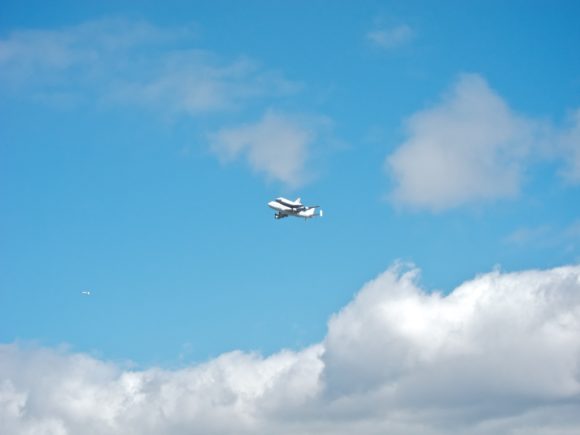
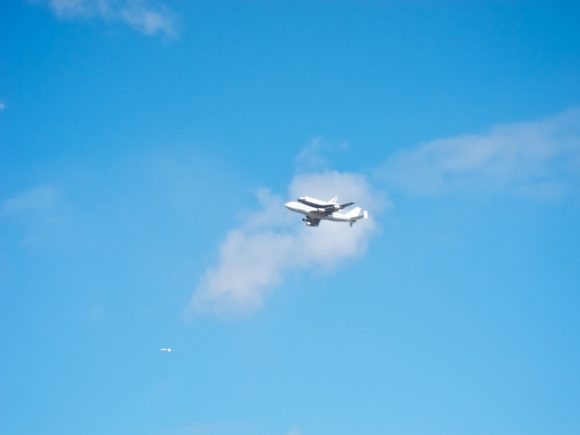
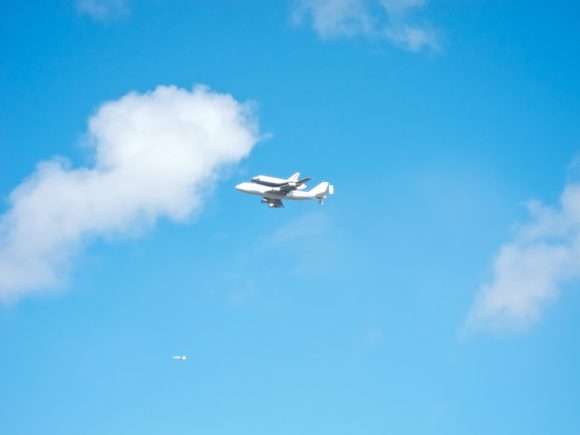
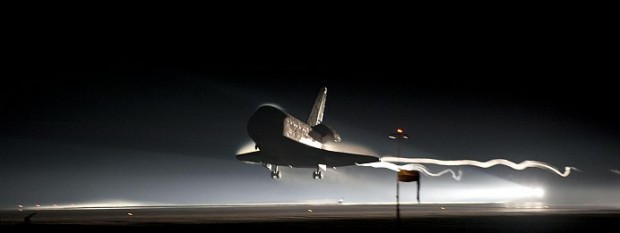
Shuttle Atlantis Landing Final Flight

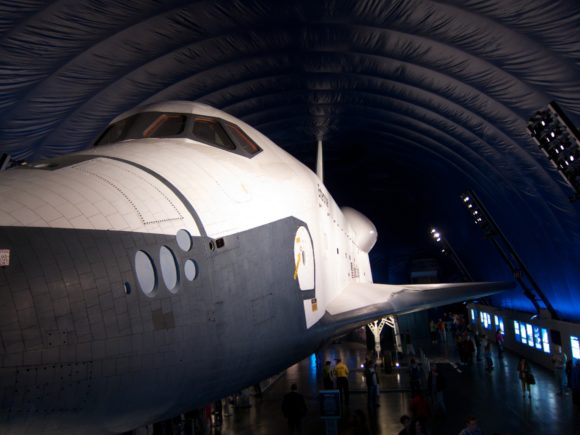
I’m still young enough to say the shuttle program is older than me, yet I’m old enough to say I’ve lived through the vast majority of it’s 30 year run. I suspect it will be many years before we’re able to create something of nearly that quality again.

There is a very reasonable chance that nobody of my generation will every enter earths orbit on a NASA spacecraft. By the time NASA gets funding, develops a program and gets to the point of manned flight, they may be too old. Kennedy in 1961 challenged the US to put a man on the moon by the end of the decade. By 1969 they were strolling on the moon. That was the entire programs length. It’s unlikely that NASA’s current roadmap to Mars by the mid-2030′s won’t be modified/scrapped by a future president. Even 2015 to start construction of a new heavy-lift vehicle is somewhat unlikely.

An amazing program despite it’s failures. Hopefully at some point we’ll get a successor together. 30 years is a long time. Technology has come a long way. If applied correctly, space exploration could be light years ahead of where it is today.

Space Shuttle’s Y2K-like Problem

Here’s curious tidbit from someone on reddit.com who identifies themselves as a Johnson Space Center Employee:

The Shuttle suffers from its own Y2K problem. The system computers run clocks that are set for GMT days: I think today is GMT 49. Anyway, when it gets to December 31, it’s GMT day 365. When it moves to January 1, it goes to GMT 001. This screws up the flight computer. I don’t believe there has ever been a Shuttle flight over a new year. A software fix is possible, but it has never been worth the millions of dollars necessary to fix it.

This actually seems very believable. For a little background, the Space Shuttle originally flew a set of 5 IBM AP-101‘s. In 1991 they upgraded to AP-101S, which has about 1 MB of semiconductor memory (as opposed to the core memory on the AP-101) and 3X the CPU speed. 4 run in sync, and 1 runs a separate set of software written independently for the ultimate in redundancy. They sit in two separate places in the orbiter and are quite rugged and power-hungry at 550W. That’s substantial considering the processing power. Since they mainly handle number crunching for the orbiter’s thrusters and run through things like the launch sequence. They just need to be reliable. They are programmed using HAL/S. The original memory limitations are likely why it uses GMT dates, and the reason to avoid upgrading the software is because of the complexity of the environment.

While a software upgrade would likely fix this issue, upgrading something that needs to be this well-tested would be insanely expensive.

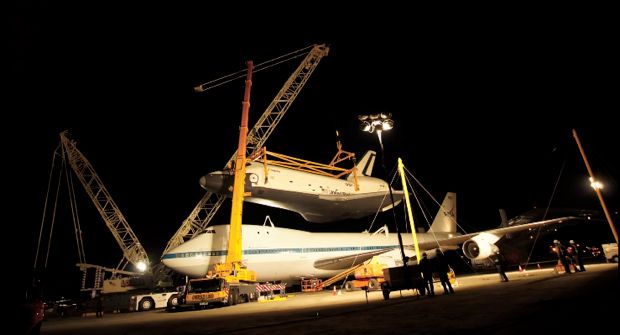
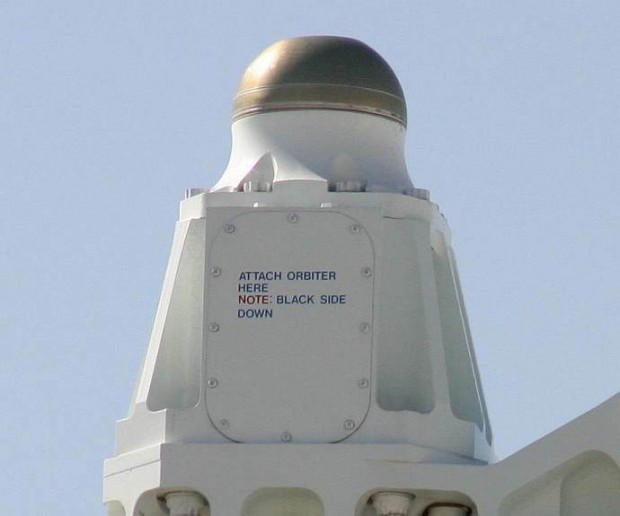
Attach Orbiter Here

Attach Orbiter Here Note: Black Side Down

Attach Orbiter Here
Note: Black Side Down

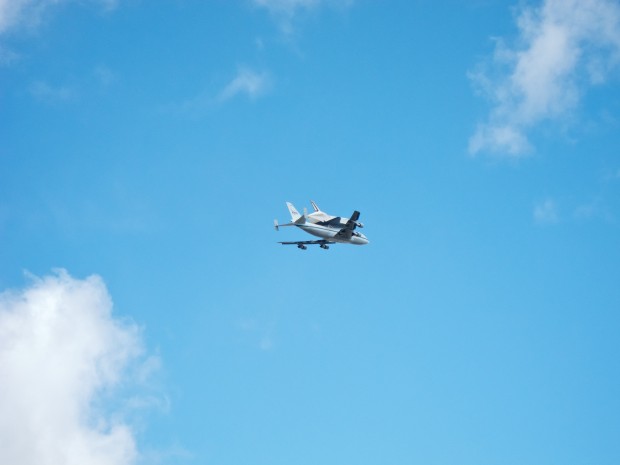
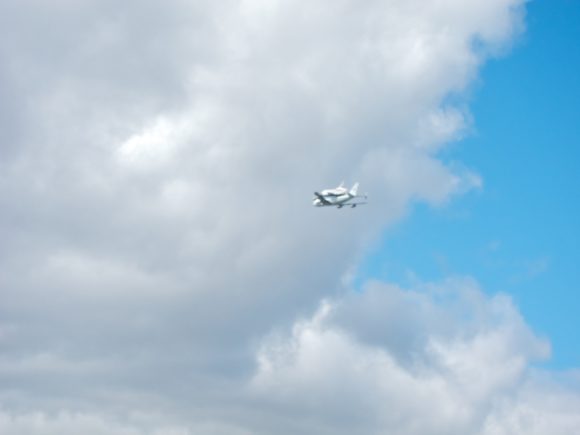
NASA is known as a pretty bureaucratic organization with lots of CYA procedures. But this is just a great little joke hidden up above one of the Boeing 747′s used to ferry the Shuttles when they land somewhere other than Kennedy Space Center.

It’s not just software engineers embedding Easter eggs in their work.

[Via: Wikipedia]

Night Launch Of Discovery

I noticed this last night, but apparently I wasn’t the only one as Robert Gale over at A Welsh View and Digg also agree that this is one amazing picture of the shuttle launch. The comments on Digg also point out a few other pictures from this and another launch that are similar, as well as pinpoint (by Google Maps) where the pic was taken.

Of course NASA has more, including some in high resolution. Something about a rocket at night makes for some great pictures.