Took some photos on the street of NYC and mostly of the Pep Boys in Jersey City that’s about to be demolished and is currently a canvas.
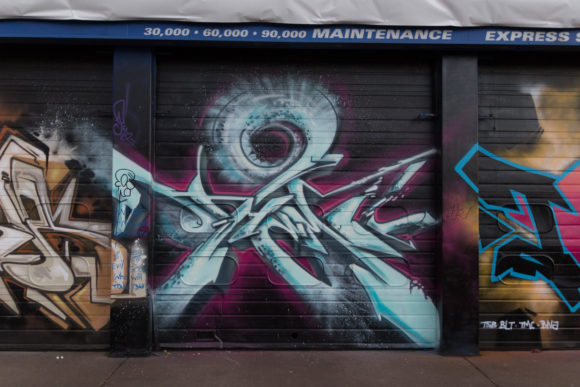
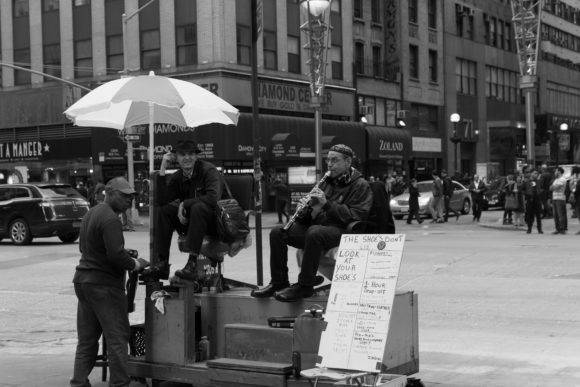
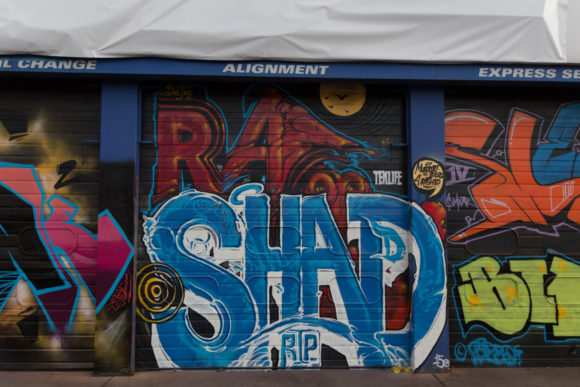
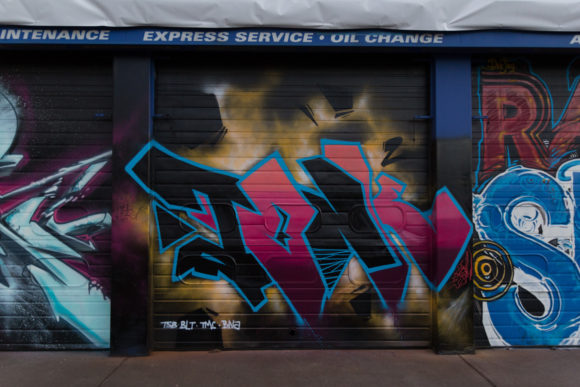
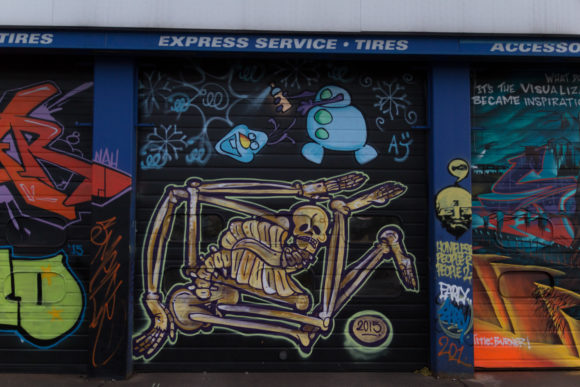
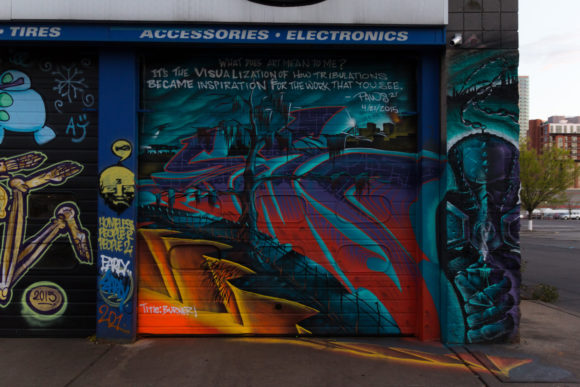
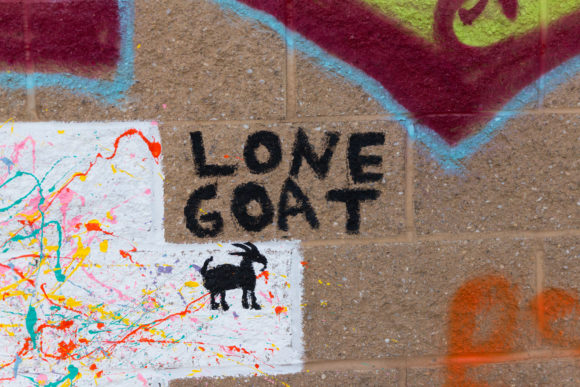



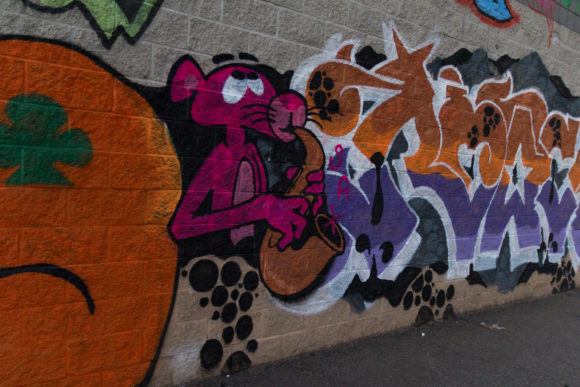
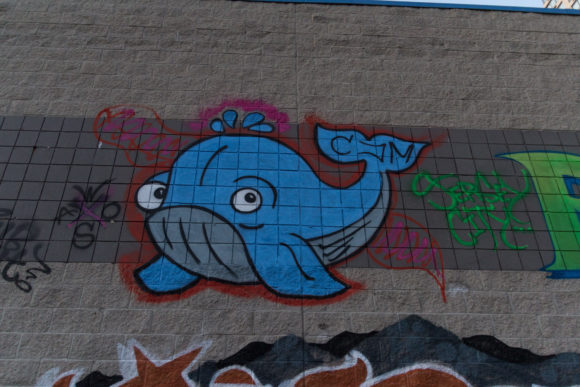
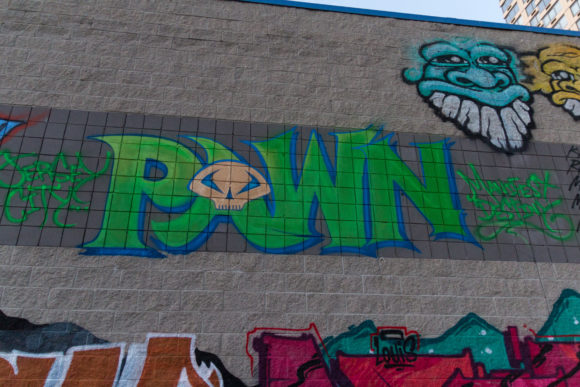
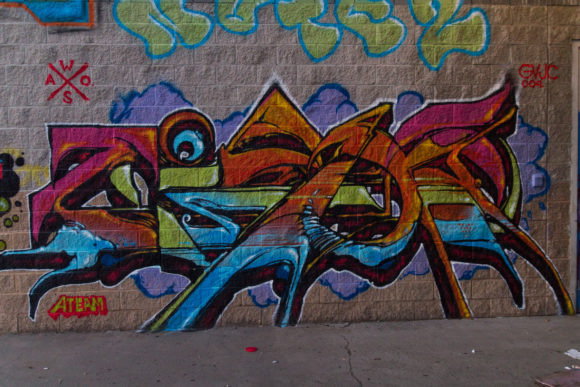
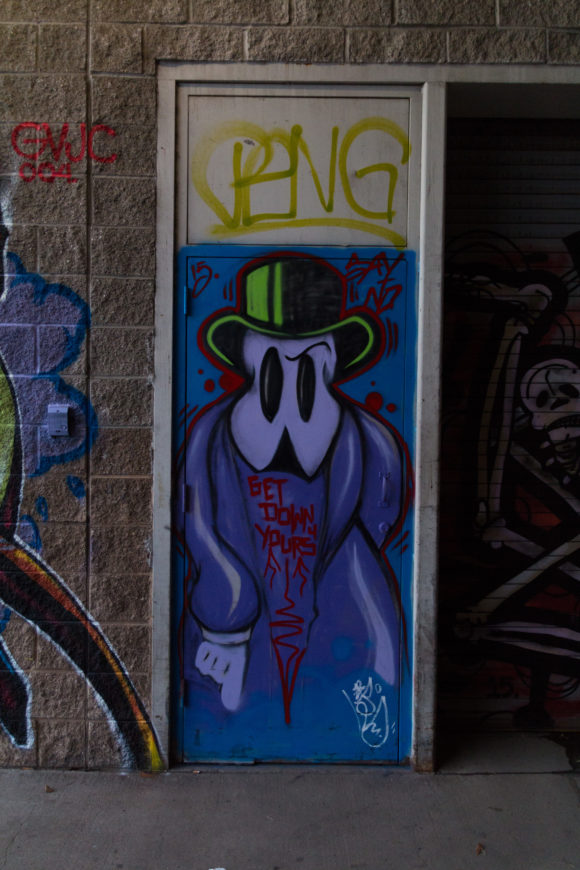
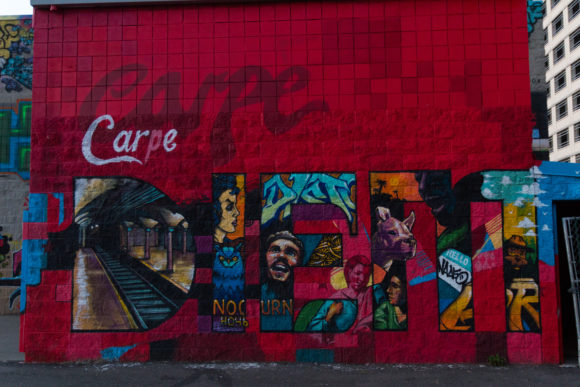
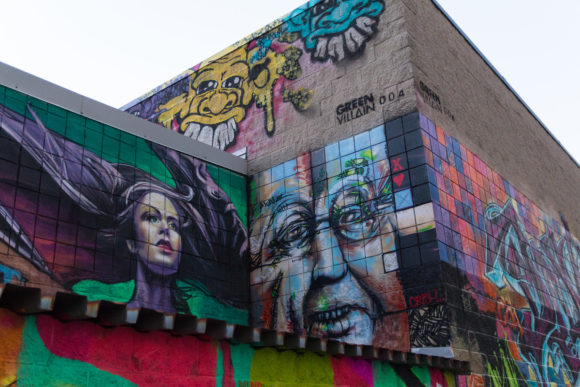
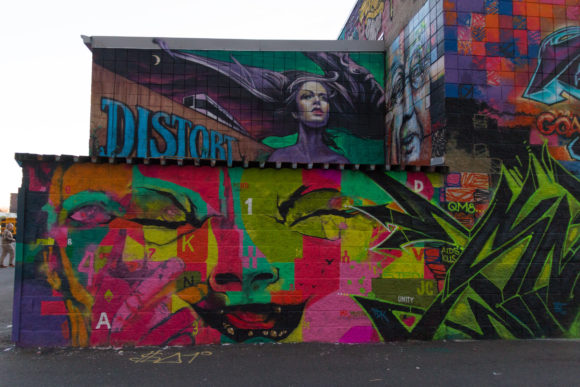
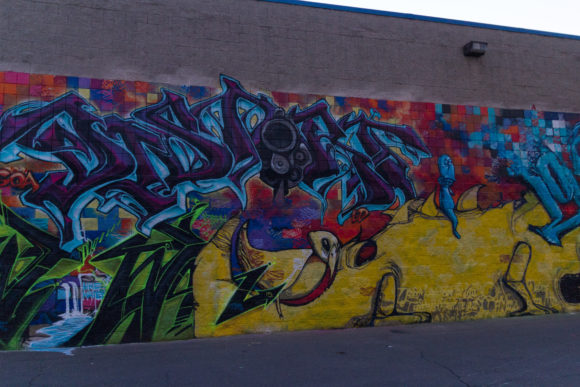
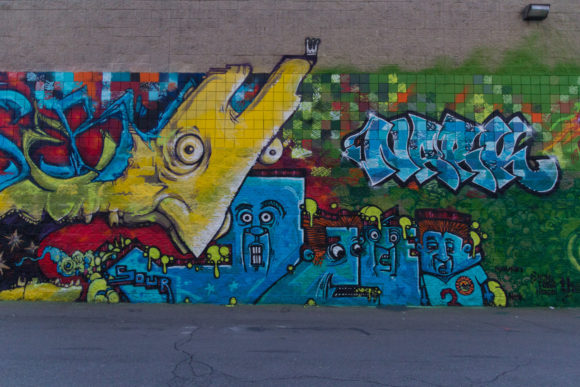

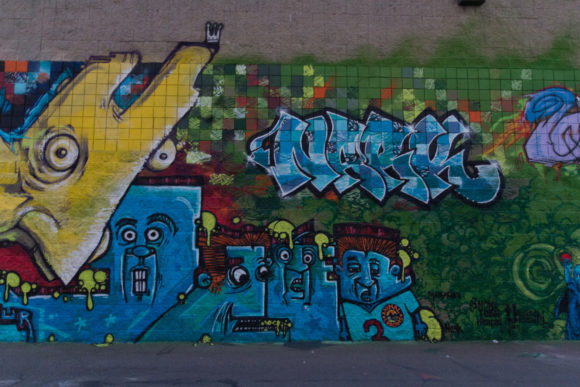

Took some photos on the street of NYC and mostly of the Pep Boys in Jersey City that’s about to be demolished and is currently a canvas.
Decided to replace the aging MySQL 5.1.x on a CentOS Box with a newer Percona Server 5.6. First step was to update MySQL 5.1 to 5.5. This went relatively smoothly after I figured out some mySQL transaction kung-fu and ran mysql_upgrade. Step two was to replace it with Percona Server. It installed fine. Almost to simple. So naturally I ran:
etc/init.d/mysql start
which resulted in a dreaded:
Starting MySQL (Percona Server).... ERROR! The server quit without updating PID file (/var/lib/mysql/SERVERNAME.pid)
After a few minutes of pouring through the logs I noticed this little nugget:
2015-04-25 19:18:16 18234 [ERROR] /usr/sbin/mysqld: unknown variable 'table_cache=7K'
Apparently around MySQL 5.1.3 they replaced table_cache with table_open_cache. A simple rename in my.ini, and we’re on our way. Now running a little faster thanks to some much newer DB binaries.
There’s been a fair amount of research in the past few years about more scalable and environmentally friendly ways to grow food. AeroFarms is embarking on an ambitious plan to put some of technology to work with a Newark, NJ based farm in an old factory.
The basic idea is using technology like energy efficient LED lighting, carefully monitored watering and nutrition by using a mist (vs planting in soil). Space is optimized by stacking them similar to servers in a data center. The end result is you can grow edible plants in a very fast, efficient, predictable way. No more weather ruining crops, thousands of acres of land devoted to farming.
Just imagine if one day this could get deployed to places like Africa. Efficient solar powered farming could change how Africa does food. It could become much more practical to farm in desert places.
The F-35 helmet is one of the most impressive things you’ll see technology wise this year. It will take a long while, but eventually augmented reality will get better, more compact, and cheaper until it will his the civilian market. No more “blind spots” in a car. No more being unable to see the obstruction in front of the large truck ahead of you. I think there’s a good chance we’ll see this hit the market before we’ll see self driving cars prolific enough to remove the “driver”.
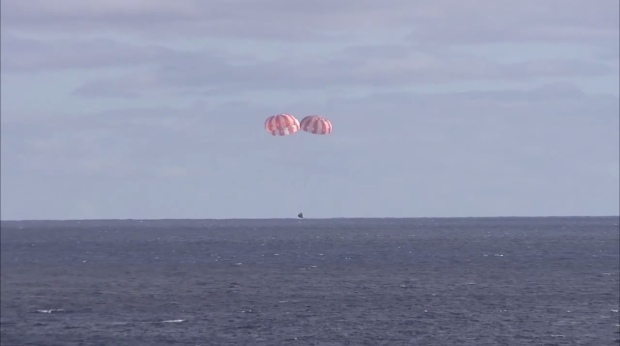
This is a pretty historic day. Orion is the future NASA and manned exploration of space for the US. It’s first flight was a success. It’s just like Mercury, Gemini or Apollo but modern. Who knows. We may see this thing being used to push humans into space to explore new worlds. It’s a glimmer of hope that NASA will still be able to move science forward.


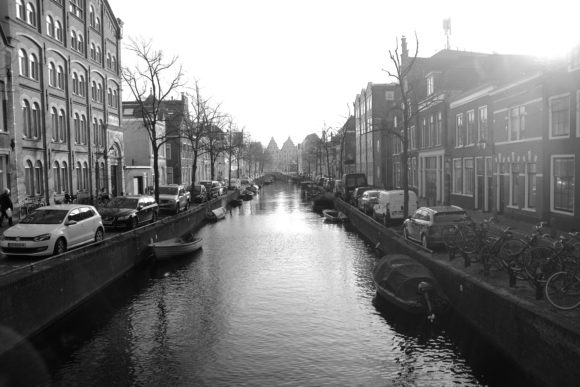
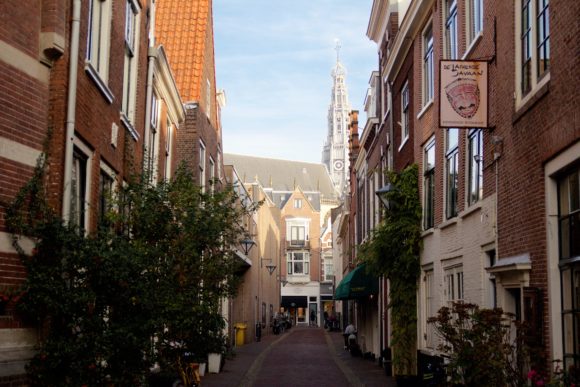
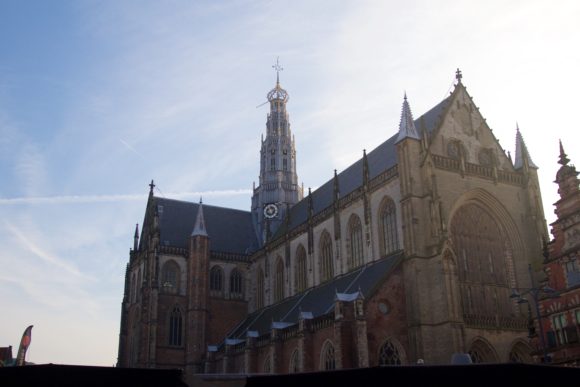
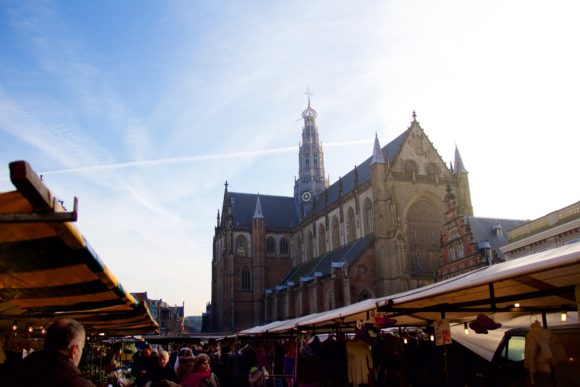
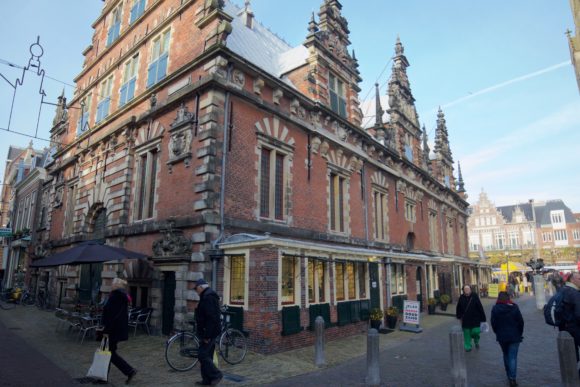
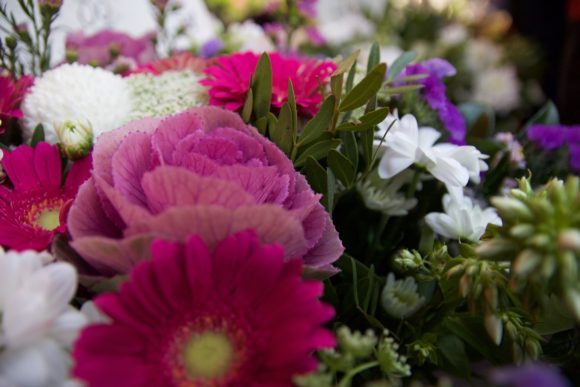
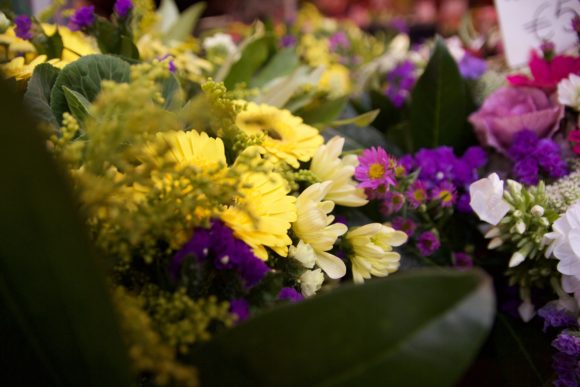
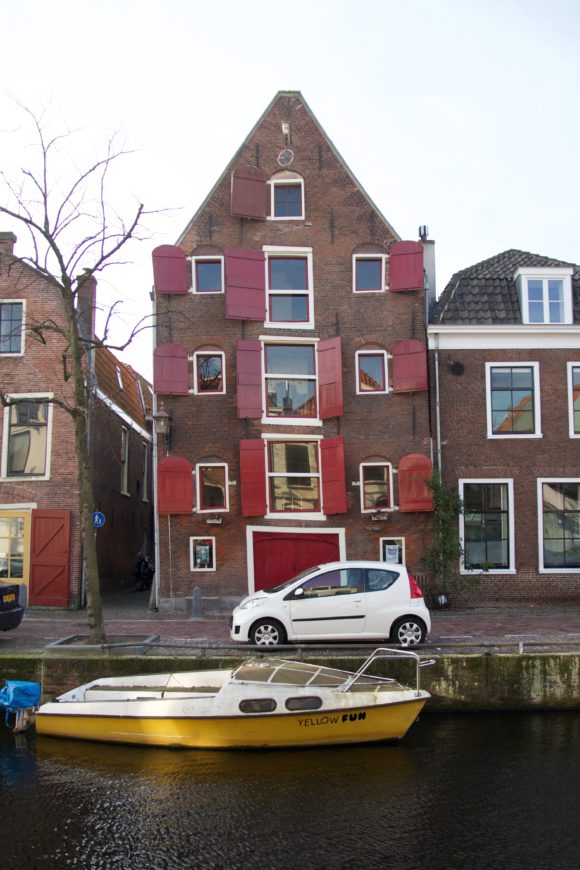
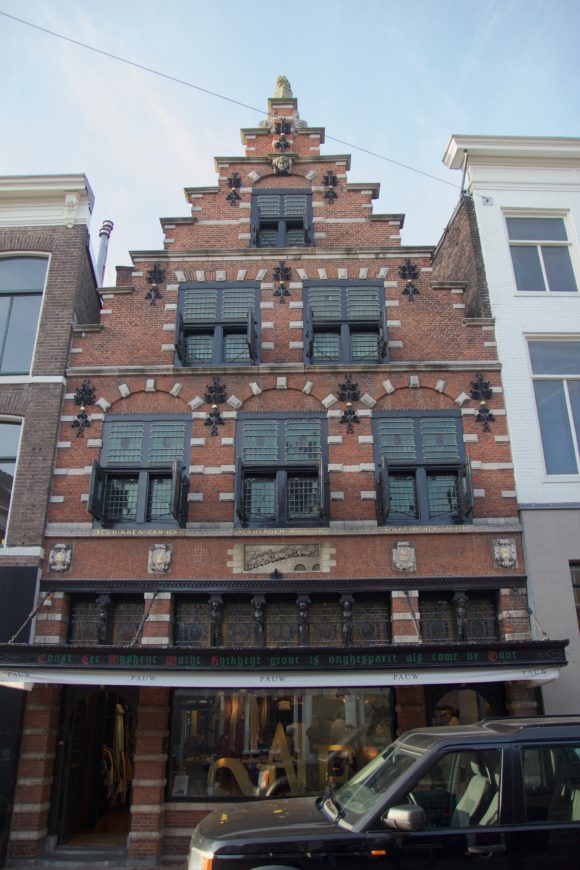
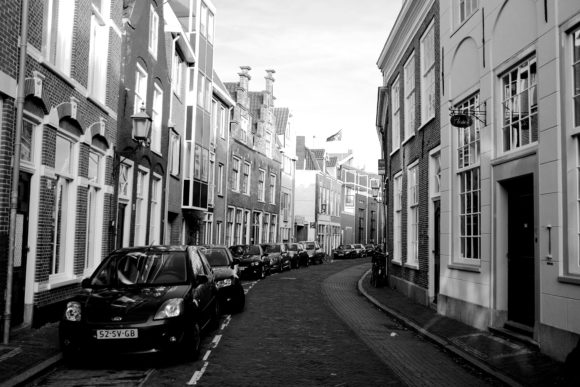
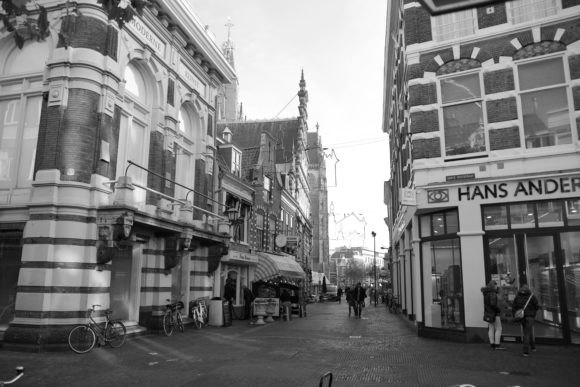
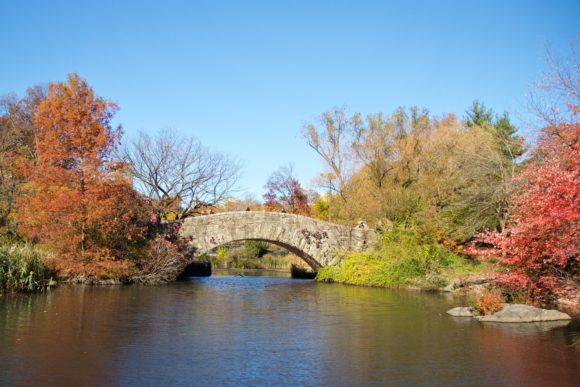
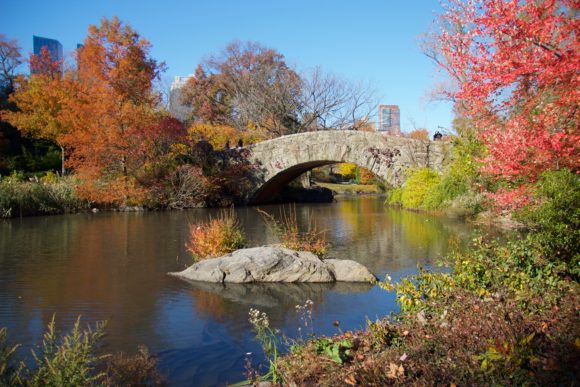
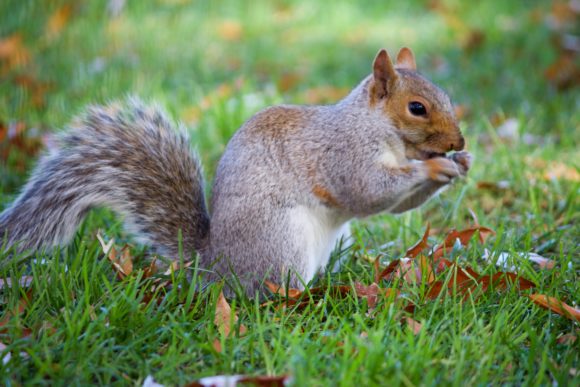
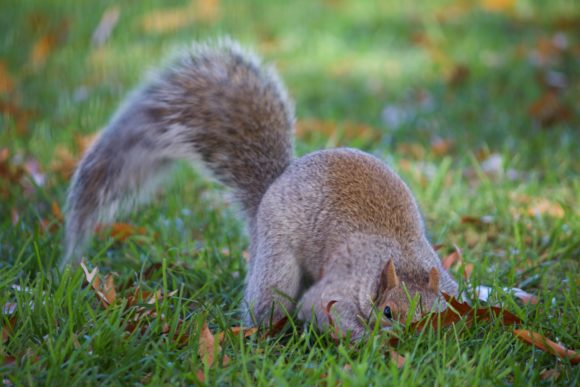
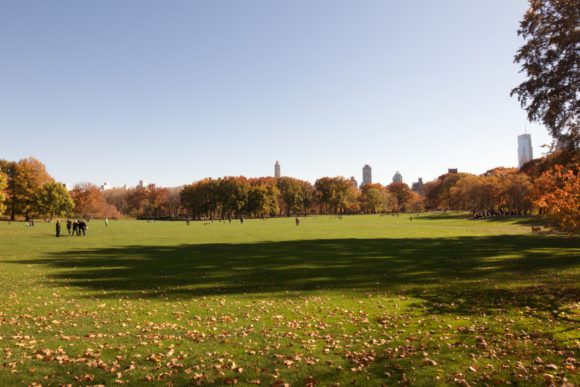
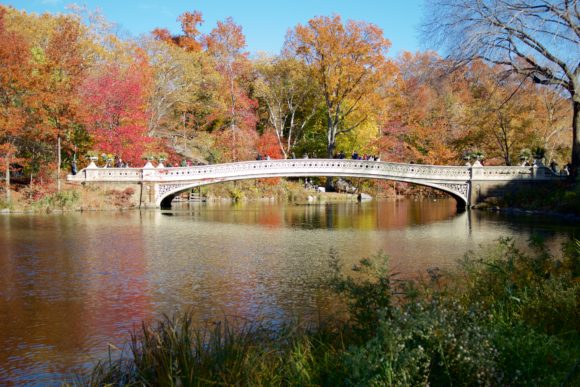
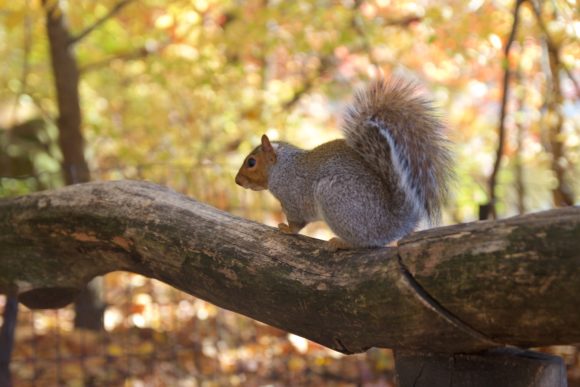
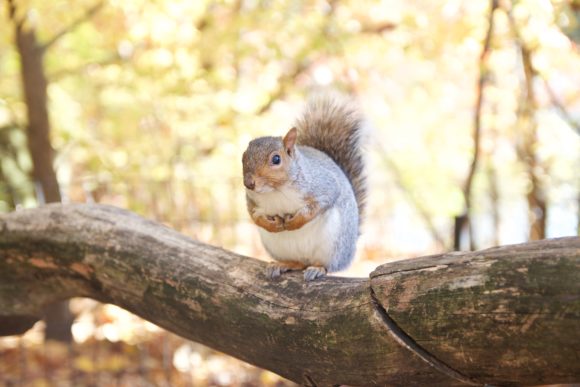
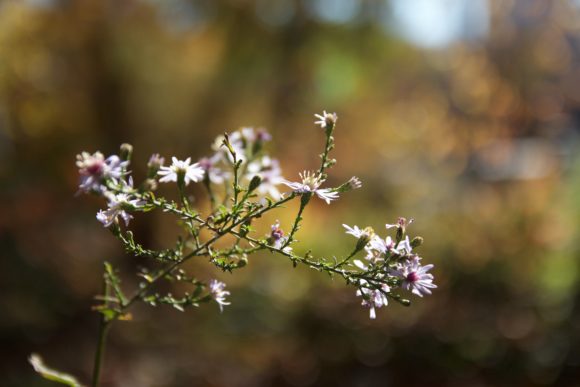
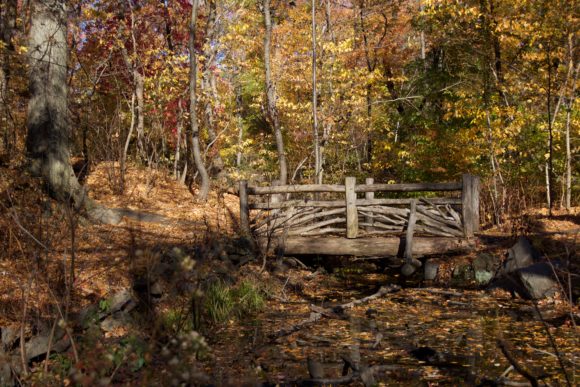
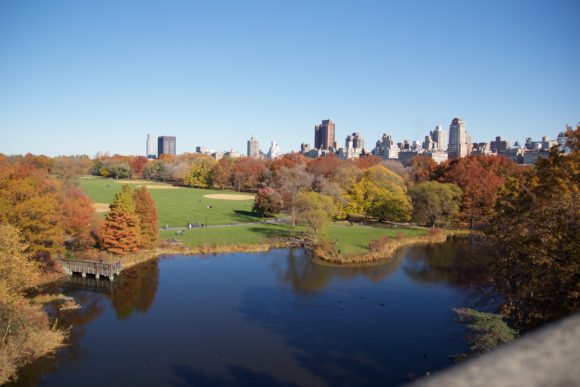
Some fall photos from Central Park.
Looks like I beat this one by a few months. SSL is now a ranking signal for Google. I switched this and a few other sites over to SSL a few months ago, while enabling SPDY and a few other things I’m playing around with. So far this has been pretty painless and actually simplified a few things. Doing this at scale with legacy infrastructure and 3rd parties however is a whole different ballgame. It will take a while for this switch to happen for bigger players not already on board.
At least in Mac OS X 10.8+ with recent versions of Wireshark (1.10.8 tested), it’s simply a matter of running the following command:
sudo sh /Library/Application\ Support/Wireshark/ChmodBPF/ChmodBPF
Not sure why WireShark can’t just prompt and do it automatically, but this seems to fix the problem.
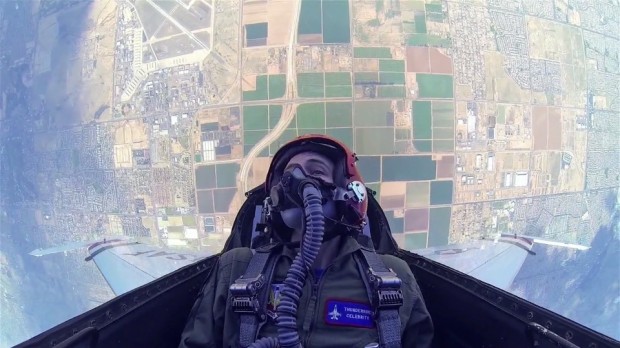
The view from inside one of the AF Thunderbird’s F-16’s. The thing that stands out in my mind the most is the Plexiglas canopy provides one hell of a panoramic view. Not sure if you even realize that with the helmet however.